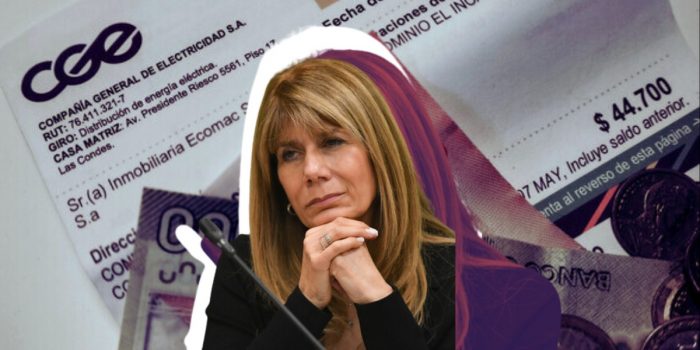
The energy debate in Chile has intensified on two fronts: the impact of potential changes to Mepco in fuels and, especially, the controversy surrounding the PMGD electricity system, following the withdrawal of decrees aimed at correcting distortions in this market. The PMGD system, created to encourage the participation of small generators in clean energy through a stabilized price, has ended up becoming a highly profitable business captured by large international investment funds such as BlackRock, Brookfield, or JP Morgan. This mechanism guarantees PMGD a fixed price of $80/MWh, well above the market rate, even in scenarios where other generators receive nothing, creating a significant asymmetry and an implicit subsidy that distorts the electricity system.
The cost of this subsidy, estimated at over $4. 6 billion by 2034, is currently borne mainly by mining, industry, and other generators, but it will also begin to be passed on to households starting in 2027 through electricity bills. In summary, a public policy designed to democratize electricity generation has resulted in a scheme that concentrates benefits among large financial players while socializing costs, generating increasing political, regulatory, and economic pressure for correction.