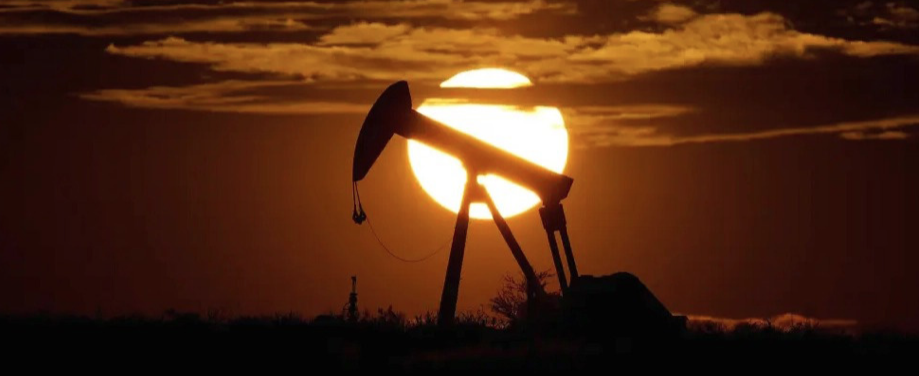
The intensity of the conflict in Iran and the Middle East keeps tensions high in energy markets. We estimate approximately 10 million barrels per day—around 10% of global supply—in oil production disruptions. However, alternative trade routes are also increasing, and vessels considered "friends of Iran" continue to transit through the Strait of Hormuz.
Since there has been no significant damage to essential energy infrastructure so far and activity aimed at protecting maritime trade around Hormuz is growing, our main scenario still points to a sharp but brief spike in energy prices. We continue to assign a probability of over 60% to this scenario. The upside risk for U.
S. inflation represents a real concern, with overall rates potentially exceeding the 3% threshold in the coming months, even without an open oil crisis. Inflation in the U.
S. had already begun to rise in January and February, and recent increases in energy prices are likely to generate a new inflationary spike in the coming months. Assuming a medium-term stabilization in oil prices and a partial recovery of supply chains affected by the war, we have revised our inflation forecast for the U.
S. in 2026 from the initial 2. 3% to 2.
7%. Higher short-term energy costs could weaken U. S.
consumption in the medium term. A cooling labor market, rising healthcare expenses, and the end of existing subsidies also contribute to a less robust outlook for consumer spending. While the greater short-term inflation risk makes it unlikely that the Federal Reserve (Fed) will continue to cut interest rates in its upcoming meetings, we also do not anticipate a response with rate hikes to an inflation increase driven solely by oil due to its transitory nature.
On the contrary, the gradual deterioration of the economic outlook suggests a more accommodative monetary policy during the second half of 2026. An inflationary escalation could frustrate government efforts to reactivate a new cycle of private credit capable of reducing the need for ongoing public deficits. The key lies in revitalizing the stagnant U.
S. housing market, which can only be achieved through lower interest rates. In Europe, inflation stood at 1.
9% in February, while economic growth and private demand remained moderate. Currently, there are no clear signs that the inflation rate will exceed the 2% target set by the European Central Bank (ECB). Furthermore, we expect the rise in energy prices to be temporary and that they will begin to recede in the coming months.
A more restrictive monetary stance risks stifling the modest current economic momentum in the eurozone without effectively containing the price increases driven by rising energy costs. We expect that, despite its cautious rhetoric, the ECB will keep interest rates unchanged in the short term, limiting itself to emphasizing its readiness to respond quickly to any further inflationary uptick through rate adjustments. With the U.
S. dollar strengthened against the euro, markets seem to begin assessing a "prolonged crisis" scenario. In light of our baseline scenario, we anticipate that risk aversion sentiment will decrease in the second quarter and that the Fed will resume its rate cuts during the second half of the year.
Therefore, we maintain a generally bearish outlook on the U. S. dollar.