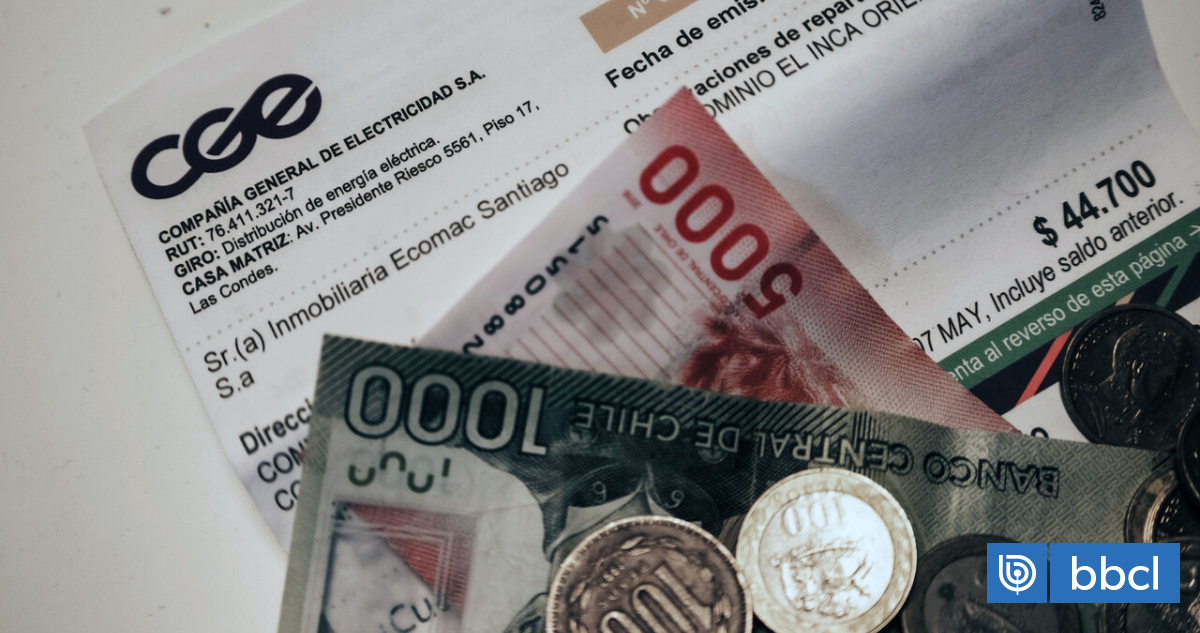
Amid the crisis due to rising fuel prices, there is news that will provide some relief to the wallets of Chileans. The increase in electricity bills, originally set to begin on April 1, has been postponed until July, as reported by the Superintendence of Electricity and Fuels (SEC). This new adjustment in electricity tariffs is necessary to settle a pending debt with distribution companies amounting to $800 million.
From the government, Energy Minister Ximena Rincón stated that the measure aims to protect families' finances in the face of the global fuel crisis, allowing for the design of a payment mechanism for the sector's debt that does not immediately burden citizens. The minister also affirmed that the Executive is working on ways to mitigate the impact of the electricity price increase on households. The measure responds to a request from Cristian Tapia, the independent deputy for the PPD and president of the Mining and Energy Commission, created in conjunction with parliamentarians and companies in the sector to postpone the electricity bill increase scheduled for April.
The deputy emphasized that this time frame should serve to find financing avenues that do not fall on users. In this regard, he proposed using the surplus from fiscal revenue to absorb the debt. The news is a breath of fresh air amid the historic rise in fuel prices.
However, its effects will only be mitigated until July, as noted by Alejandro Alarcón, an academic and economist at the University of Chile. According to his calculations, the imminent increase in electricity services would imply a one percentage point increase in monthly inflation. It is worth noting that the impact on electricity bills starting in July will depend on the customer's geographical location, as the variation will depend on each municipality, with some regions not having outstanding debts with distributors.
Nevertheless, the Energy Ministry announced that they will continue to address mechanisms to settle the debt. However, it seems that the previous administration's idea of providing a subsidy to the 40% most vulnerable population to mitigate the increase—sent to the current government for analysis—does not appear to be under consideration by the Executive at this time.