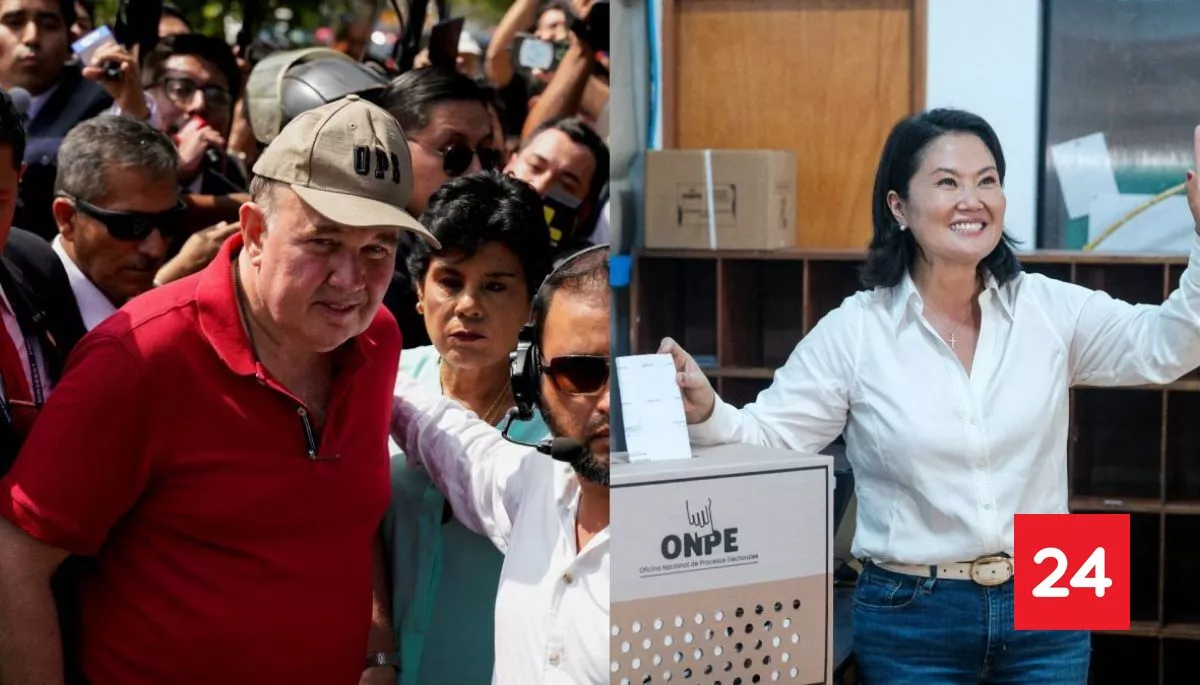
Keiko Fujimori leads the presidential elections in Peru, according to partial official results released on Monday, in a process that extended into a second day due to logistical issues the previous day. According to the partial results, which were known while many Peruvians were still casting their votes, there will be a second round on June 7, although the candidates who will advance to that stage are not yet confirmed. Due to logistical problems related to the distribution of electoral materials, authorities extended the voting deadline until Monday for more than 50,000 people, mainly from the capital.
At a polling station in the San Juan de Miraflores district of Lima, Ángela Ríos faced another day of long lines. "This is an injustice," she said while waiting to vote. "Yesterday we stood in line, and today we all have to work; no one will recognize our day.
Are we going to wait until noon? It's not fair, sir; we want justice," she added. The National Jury of Elections (ONPE) reported that Fujimori had 16.
95% of the votes, with 54. 8% of ballots counted, while Rafael López Aliaga was in second place with 14. 39% of the votes.
In third place was centrist Jorge Nieto with 12. 73%. "What we need to do for the second stage is to continue dialoguin…
Regarding the delays in the process, she stated, "I will not comment; we will wait a few hours. " The NGO Transparency included leftist Roberto Sánchez in the race for second place, in a "technical tie" with López Aliaga and Nieto, after releasing a quick count from Ipsos Perú based on a representative sample of the ballots. With tight margins, there is uncertainty about who will advance to the second round, amid the risk of fueling allegations of fraud, said Nicholas Watson from the consulting firm Teneo.
"López Aliaga has already claimed that the delays in opening some polling stations affected many more voters than officially recognized," he stated. The electoral authority expected to have at least 60% of the results by midnight on Sunday, a level that has not yet been reached, leaving open the possibility of a sudden change as votes from rural areas are counted. The ballots from Lima, which usually arrive first, represent approximately one-third of the electorate.