Tourism has always been considered one of the main symbols of globalization. Traveling signifies openness, cultural integration, and shared economic growth. However, the current global scenario, marked by geopolitical conflicts, trade tensions, and increasing security risks, is changing the way people move around the world and how tourist destinations position themselves.
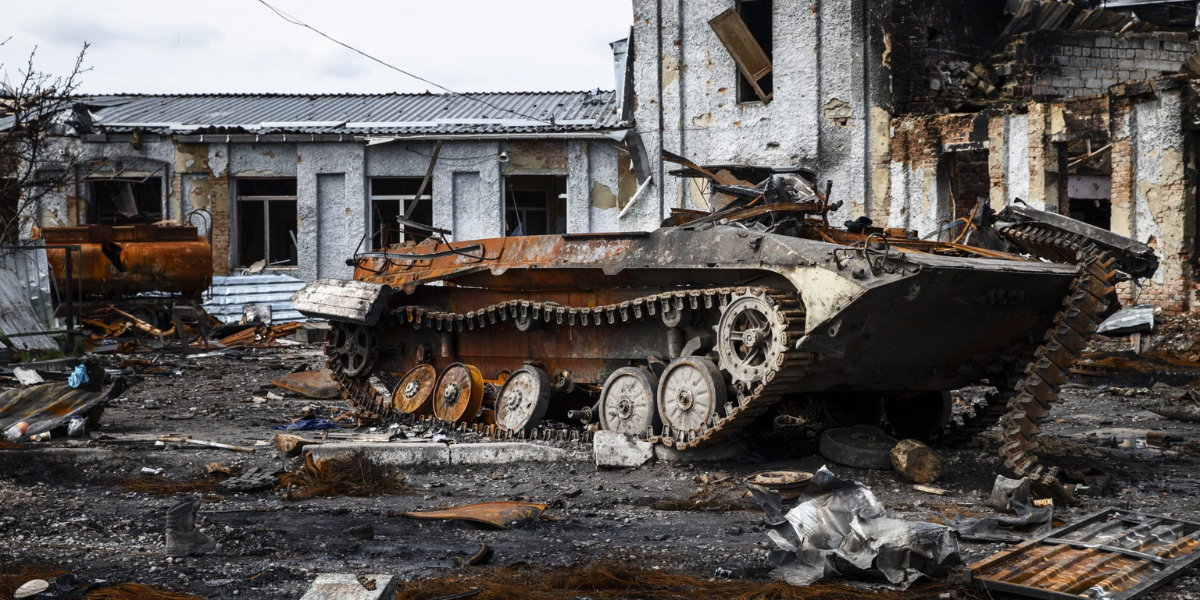
Recent conflicts in Eastern Europe and the Middle East have shown that tourism is one of the first activities to suffer from uncertainty. When the perception of risk increases, travelers change their decisions, airlines alter routes, insurance costs rise, and destinations become less attractive. The impact is not only local: international organizations estimate that instability in strategic areas can lead to daily multimillion-dollar losses for the global tourism sector, affecting the entire value chain, from air transport to hospitality, commerce, and associated services.
Thus, tourism does not disappear, but it does reorganize. Today, travelers seek not only appealing experiences but also safety, stability, and certainty. This has caused some regions of the world to become less competitive, while others, especially those far from conflicts, gain new strategic value.
South America, and particularly Chile, emerges as an attractive destination. Our country has an advantage that global tourism increasingly values: a reliable environment, diverse landscapes, growing connectivity, and a broad tourism offering that combines nature, culture, and gastronomy. The political instability in other hemispheres presents an opportunity to attract long-distance tourists, which demands sustainability, innovation, quality in services, and professionalization of human capital.
In an international landscape marked by uncertainty, tourism is reestablishing itself as a resilient industry, with a high capacity for adaptation and recovery, even in the face of conflicts, economic crises, and changes in travel dynamics. Chile has the opportunity to consolidate itself as a safe and quality destination, as long as we understand that tourism development does not happen by chance, but is the result of planning, collaborative work, and strategic vision. Today, more than ever, tourism needs leadership, preparation, and commitment… that is the challenge we face as a country.