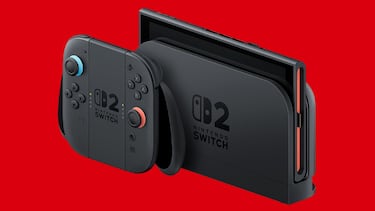
The generational leap in the video game industry always comes with high expectations, especially when it involves succeeding one of the best-selling consoles in history. However, the market sets its own pace. According to Bloomberg, the Japanese firm Nintendo has decided to cut production of its Switch 2 console by more than 30%, a precautionary measure that directly responds to lower-than-expected holiday sales volumes.
This adjustment represents a common strategic move in the tech industry in response to complex macroeconomic scenarios and changes in consumer patterns. Nintendo's decision aims to align its supply chain with actual demand, thus avoiding excess inventory in retailers' warehouses. The end-of-year season is historically the strongest quarter for the video game industry.
It is the time when companies launch their strongest titles, and hardware becomes the quintessential gift. However, data indicates that the initial adoption of the Nintendo Switch 2 did not meet the company's internal projections in key markets. Several factors explain this phenomenon.
First, the enormous installed base of the first-generation Nintendo Switch (with over 140 million units sold) has created a retention effect. Many users still find value in the original console's catalog, slowing the immediate need to upgrade hardware. Additionally, global inflation and consumer caution regarding entertainment spending have directly impacted the acquisition of high-value electronic devices.
Finally, although solid, the initial game catalog must convince the average consumer that the technical leap justifies the investment, a constant challenge in the early months of any platform's life. For now, the Nintendo Switch 2 features titles such as Mario Kart World, the acclaimed Donkey Kong Bananza, Metroid Prime 4: Beyond, Kirby Air Riders, and more recently, Pokémon Pokopia and Mario Tennis Fever. An early production reduction does not determine the complete life cycle of hardware.
Nintendo has a proven track record of revitalizing interest in its platforms through exclusive software releases—such as the Mario, Zelda, and Pokémon franchises—and hardware revisions. The current challenge for the company is to recalibrate its marketing and release strategy for the upcoming quarters. The success of the Switch 2 will not be defined solely by its first Christmas but by its ability to build an essential catalog over the coming years.