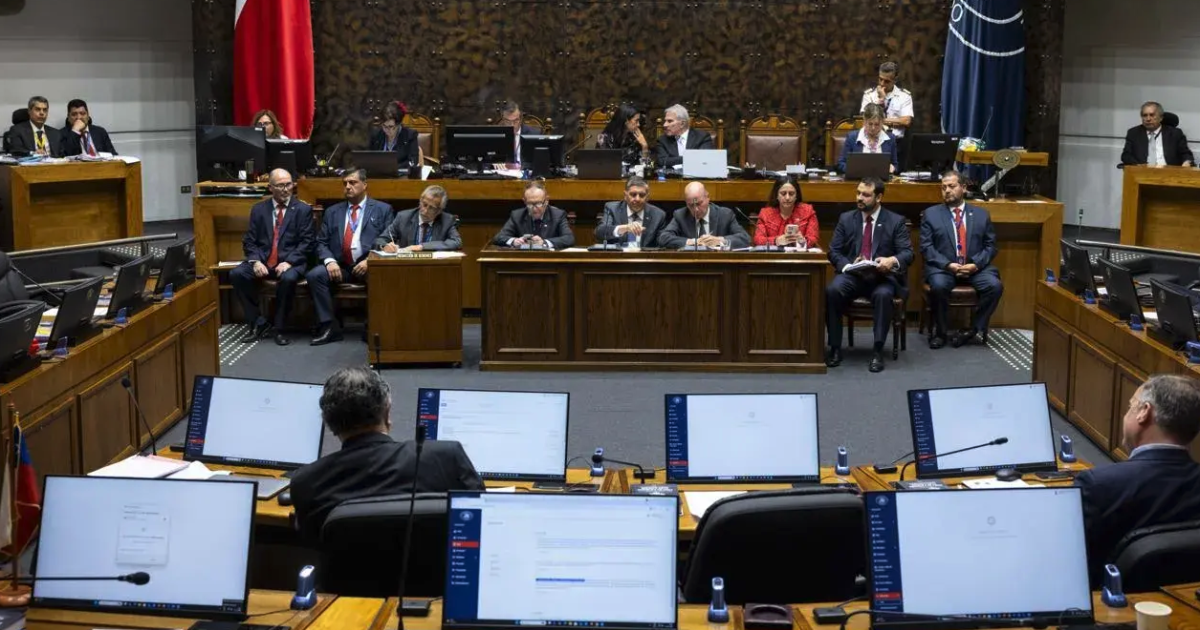
The Senate approved on Thursday the bill that establishes temporary measures to contain the price of domestic kerosene (paraffin) and mitigate the impact of rising fuel prices in the country. With 32 votes in favor, the initiative is ready for promulgation after being endorsed by the Lower House, ensuring resources for the Oil Price Stabilization Fund (FEPP) and direct benefits for the transportation sector. Price Stabilization of Kerosene The core of the regulation empowers the Ministry of Finance to inject up to 60 million dollars into the FEPP.
This measure aims to prevent the price of kerosene from skyrocketing due to the armed conflict in the Middle East, keeping the fuel price at levels similar to those recorded last February. This presidential authority can be exercised until December 31, 2026, ensuring a margin of maneuver for the winter months, when kerosene consumption significantly increases in the central and southern regions of the country, such as the Maule Region. $100,000 Bonus for Taxi Drivers and School Transport One of the most relevant points for the transportation sector is the creation of a national subsidy that will come into effect on April 1, 2026.
It consists of a monthly bonus of $100,000 for six months intended for: - Owners of taxis and shared taxis registered by March 24, 2026. - School transporters. - Shared taxis on specific routes (such as Arica-Tacna and fleets in Aysén).
The benefit is exclusive for the purchase of fuel and allows the owner to transfer the amount to the vehicle driver if they are different individuals. Modifications to Specific Tax and SMEs The project also introduces changes in the recovery of the specific fuel tax for companies, establishing a scale based on annual income: - 80% refund: For those billing up to 2,400 UF. - 70% refund: Between 2,400 and 6,000 UF.
- 52. 5% refund: Between 6,000 and 20,000 UF. - 31% refund: For incomes exceeding 20,000 UF.
It is noteworthy that, after the debate in the Finance Committee, small and medium-sized enterprises (SMEs) were excluded from the reimbursement of this specific tax, a point that generated diverse opinions among parliamentarians. Impact on Regions and Fare Rates During the debate, senators from various parties emphasized the need for resources to effectively reach the regions. While the fare of the Red system (Transantiago) will remain frozen until the end of the year, the rest of the country will apply the "mirror funds" system.
However, parliamentarians warned that the provision of these funds does not guarantee that collective transportation fares in regions will not rise. Therefore, they requested the Executive to ensure strict administrative control by the Ministries of Finance and Transport so that the benefit reaches the pockets of regional users.