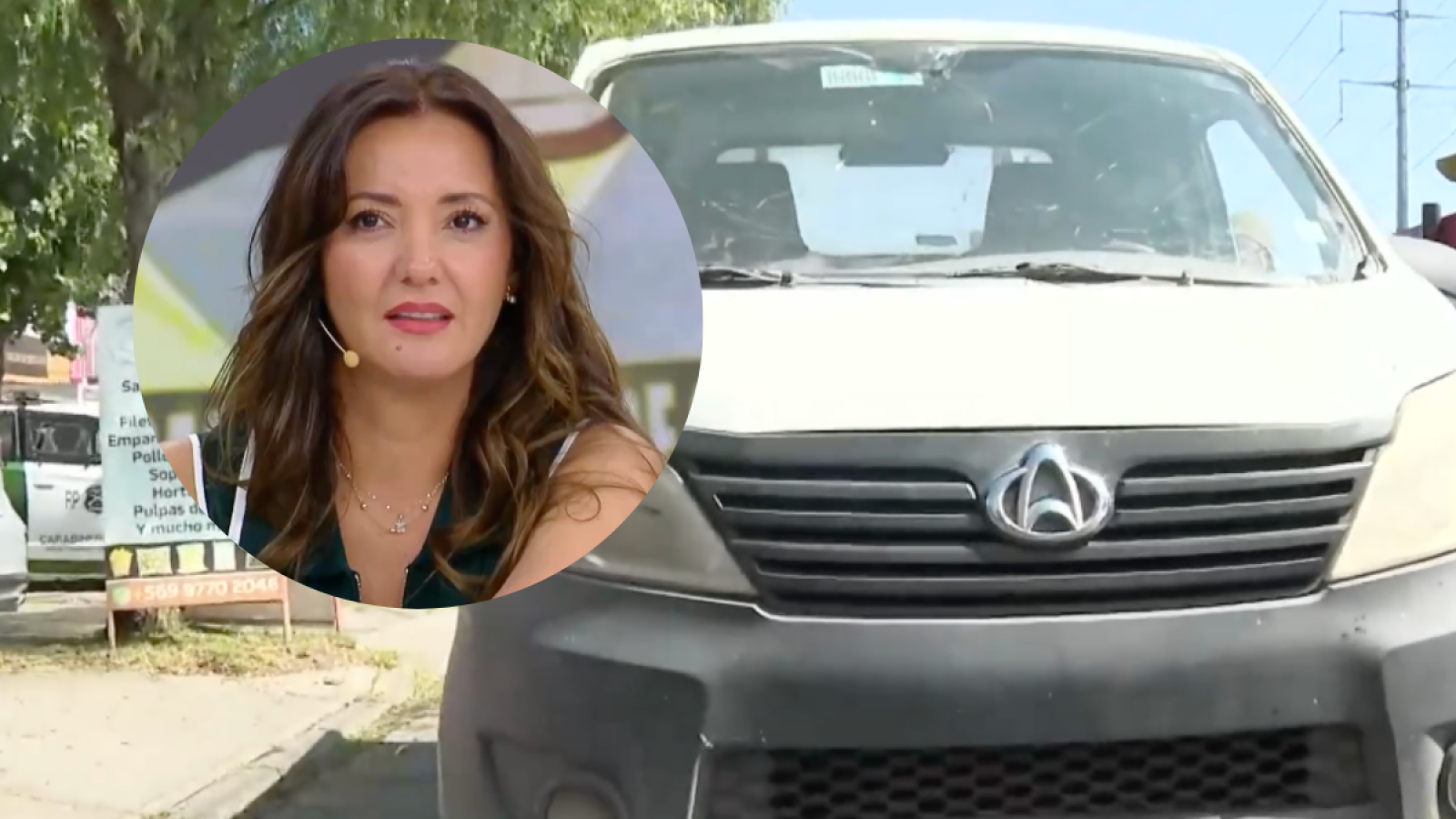
A vehicle attempted to evade a traffic check but was intercepted during an operation that revealed serious traffic violations. A vehicle inspection in Peñalolén, showcased on Tu Día, uncovered an extreme case: a small truck that had accumulated 520 unpaid fines and a debt exceeding 38 million pesos. The driver tried to evade the control upon noticing the police presence but was quickly intercepted by Carabineros.
In addition to its extensive history of violations, the vehicle had various irregularities, such as a cracked windshield, missing rear lights, and a bent license plate. Ultimately, it was taken out of circulation, highlighting the severity of the noncompliance and the importance of such operations to enhance road safety. A massive traffic inspection was conducted in the Peñalolén commune as part of an operation aimed at reinforcing road safety and detecting vehicles that did not comply with current regulations.
The procedure, which was displayed on the morning show Tu Día, included thorough checks on various types of vehicles, allowing for the identification of multiple violations and the removal of several from circulation. However, one of the most striking cases during the day was that of a small truck that had accumulated a total of 520 unpaid traffic fines. The figure surprised both authorities and viewers, considering the high number of recorded violations and the evident repeated noncompliance with the rules.
According to what was shown on the program, the debt associated with this vehicle exceeded 38 million pesos, making it one of the most extreme cases detected during the inspection. This situation not only highlighted the seriousness of the offenses committed but also the difficulties in controlling drivers who maintain accumulated violations without regularizing their situation. As a result of these findings, the truck was removed from circulation on-site, in line with established procedures for such cases.
These measures aim to prevent vehicles with a high history of violations from continuing to operate, posing a risk to bo…
The truck owed more than 38 million pesos: it had 520 fines. It all began quite hostilely, as the truck driver, upon noticing the presence of Carabineros alongside traffic personnel, attempted to escape down a nearby street. However, there was also a police vehicle in that location, so he was quickly intercepted.
The Carabineros major in charge of the operation explained the events: "The driver, heading towards the inspection, upon realizing that they were being checked, attempted to turn and evade the inspection, which is why we intercepted him," he said. At the time of the inspection, the vehicle displayed multiple visible irregularities. At first glance, it had a cracked windshield, lacked rear lights, and its license plate was bent, a practice often used to prevent the proper reading of the license plate.
In addition to this, it had an extensive history of violations: over 520 accumulated fines, resulting in a debt exceeding 38 million pesos. The case presented on Tu Día generated impact, highlighting the level of noncompliance among some drivers and reinforcing the need for stricter controls on the streets. Key questions on the topic: 1.
Why can a vehicle with so many fines continue to circulate? Because, in practice, the control of violations depends on on-site inspections and administrative processes that do not always manage to stop repeat offenders in time. If there is no direct interception or measures such as removal from circulation, these vehicles can continue to operate despite accumulating high debts.
2. What irregularities did the truck present besides the fines? The vehicle not only had over 520 violations but also showed visible faults such as a cracked windshield, absence of rear lights, and a bent license plate, which complicates its identification.
These conditions made it an evident risk to road safety. 3. What importance do these inspections have for people's safety?
They are key to detecting and removing dangerous vehicles or those that repeatedly violate the law from circulation. Additionally, they help prevent accidents, reinforce respect for traffic rules, and raise greater awareness among drivers about the consequences of not regularizing their situation.