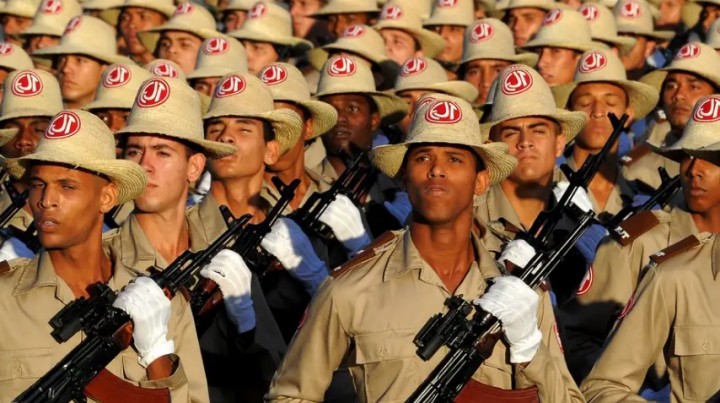
In a scenario of maximum geopolitical tension and internal crisis, the Cuban government has intensified its defense rhetoric. The Deputy Minister of Foreign Affairs, Carlos Fernández de Cossío, confirmed this Sunday in an interview with the U. S.
network NBC News that the Revolutionary Armed Forces (FAR) are in an active preparation process for a potential military aggression by the United States. "We would be naive if we did not prepare," the diplomat stated, although he clarified that the country does not seek conflict and that, in his opinion, there is "no justification" for intervention, as the island does not pose a threat to U. S.
national security. The Maduro Factor and Washington's Pressure The warlike rhetoric has significantly escalated following the capture of Nicolás Maduro last January, a milestone that altered the political landscape of the Caribbean. Both President Donald Trump and Secretary of State Marco Rubio have sent direct signals to Havana.
Rubio, of Cuban descent, was emphatic in warning that the island's government should "be concerned" about being the next target of Washington's maximum pressure policy. Despite the threats, Fernández de Cossío insisted that Cuba remains willing to "sit down to dialogue," emphasizing that there is no bilateral dispute that warrants the use of force. Energy Crisis: An Island in the Dark The Deputy Minister's statements coincide with a critical moment for the island's social stability.
Cuba experienced its second national blackout in less than a week on Sunday, leaving nearly 10 million inhabitants without electricity. The crisis is due to two combined factors: Obsolete infrastructure: Aging thermoelectric plants that collapse under demand. Oil blockade: The tightening of U.
S. sanctions has hindered the arrival of fuel, vital for energy generation. Although supply has been partially restored in sectors of Havana, the Ministry of Energy reported a "total disconnection" of the national system, leading to protests and dark marches through the streets of the capital, increasing pressure on the Palace of the Revolution.